V — PODRÓŻ PRZEZ ŻAŁOBĘ - A Journey Through Mourning
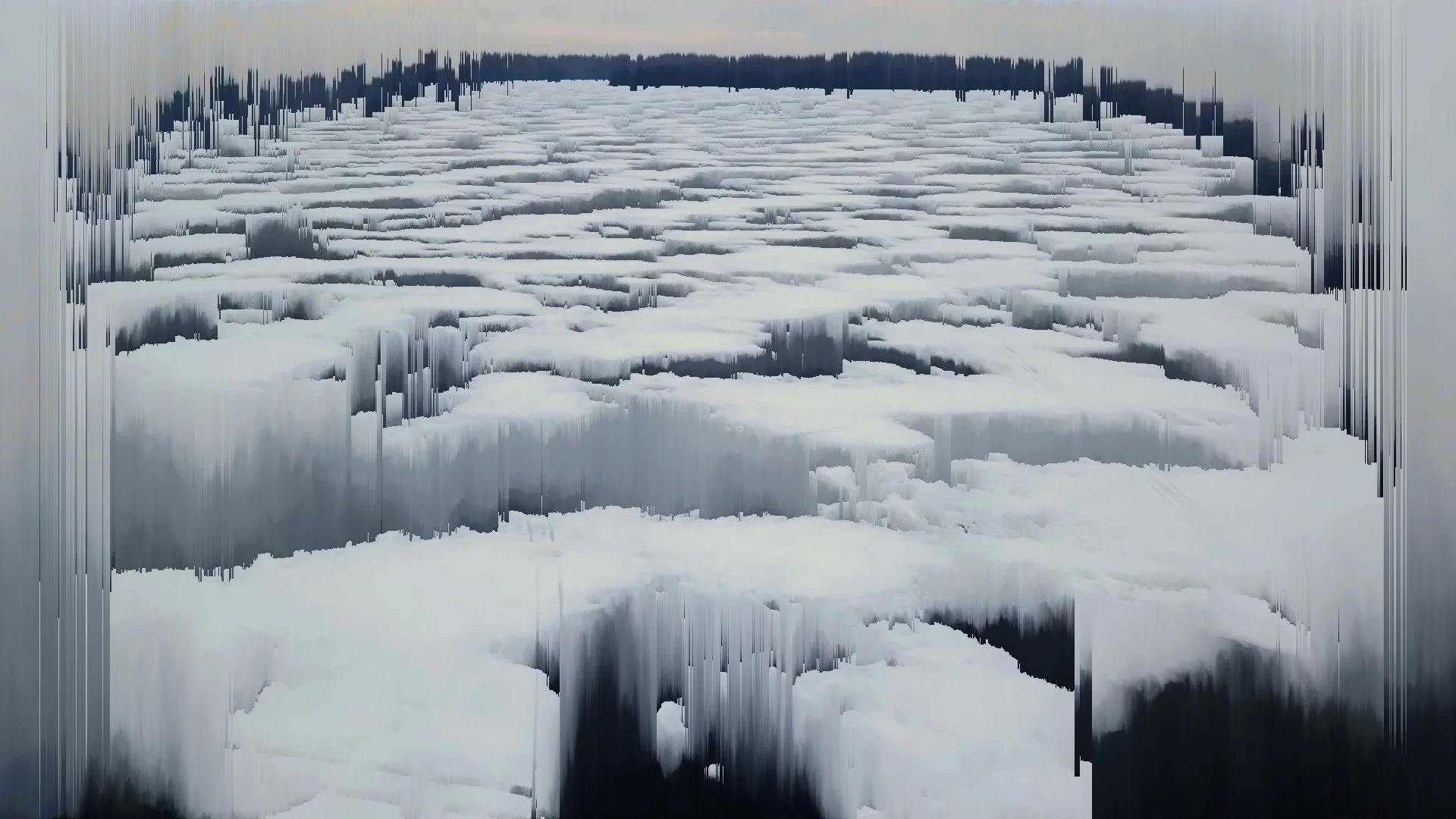
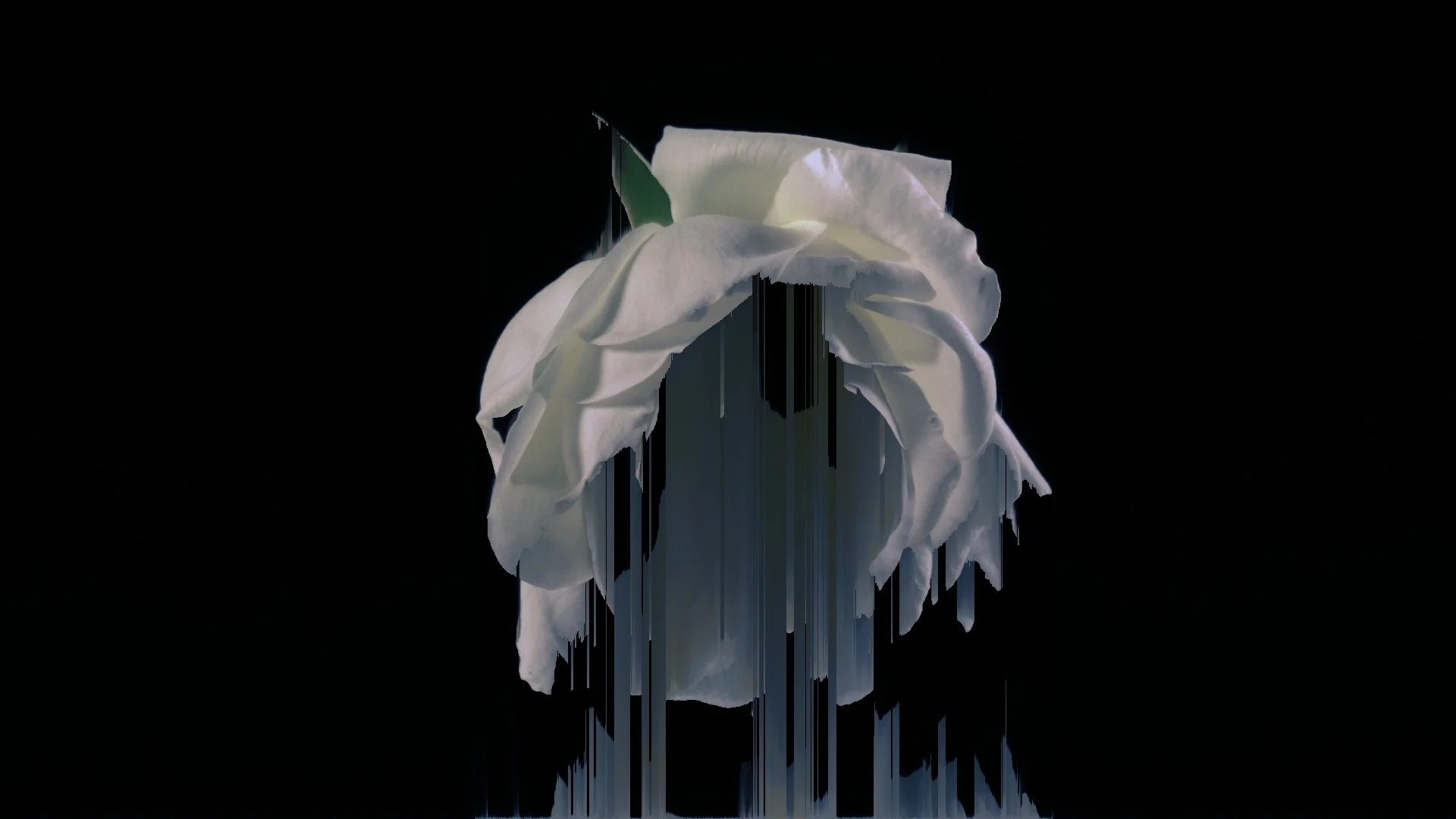
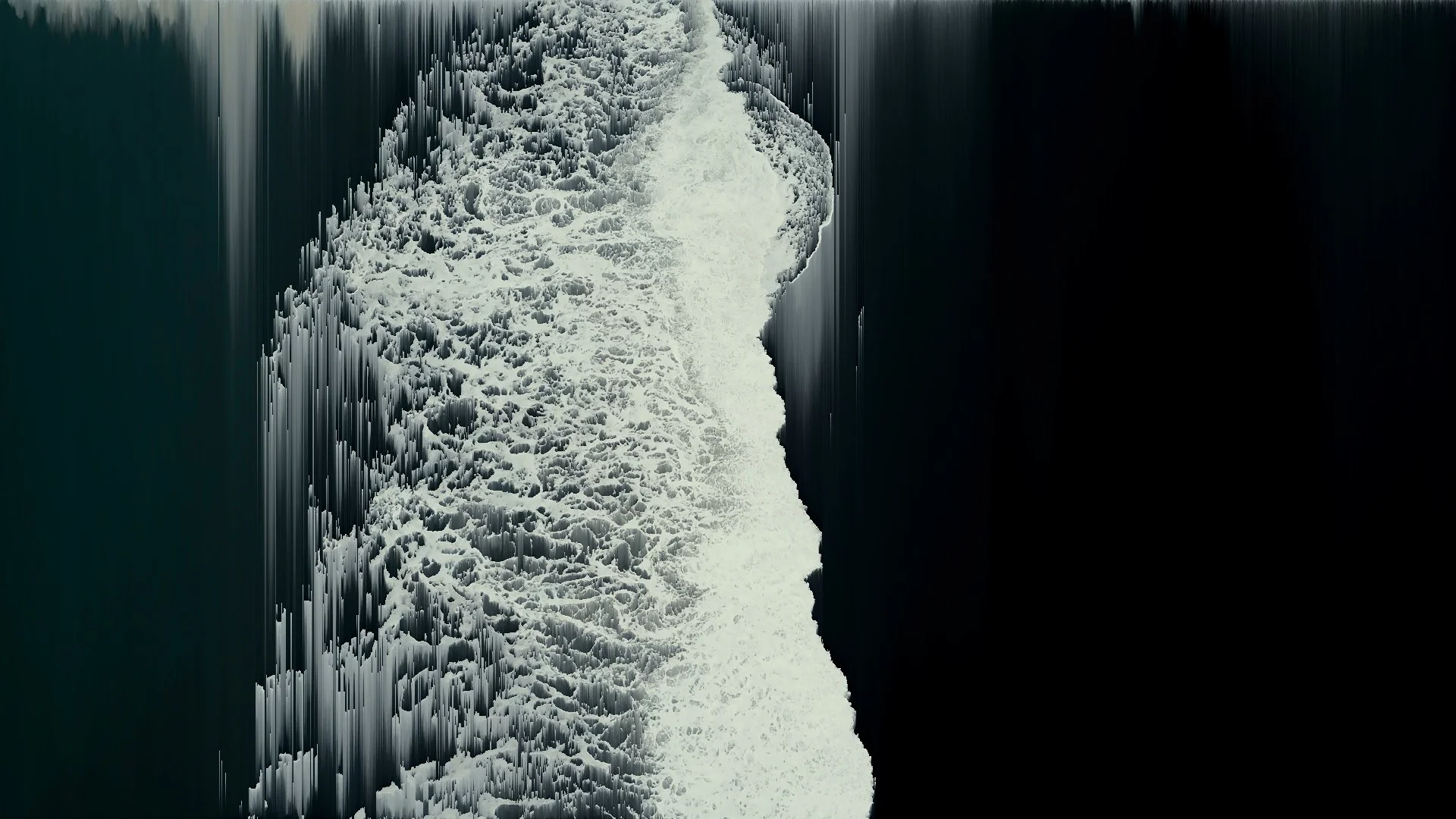
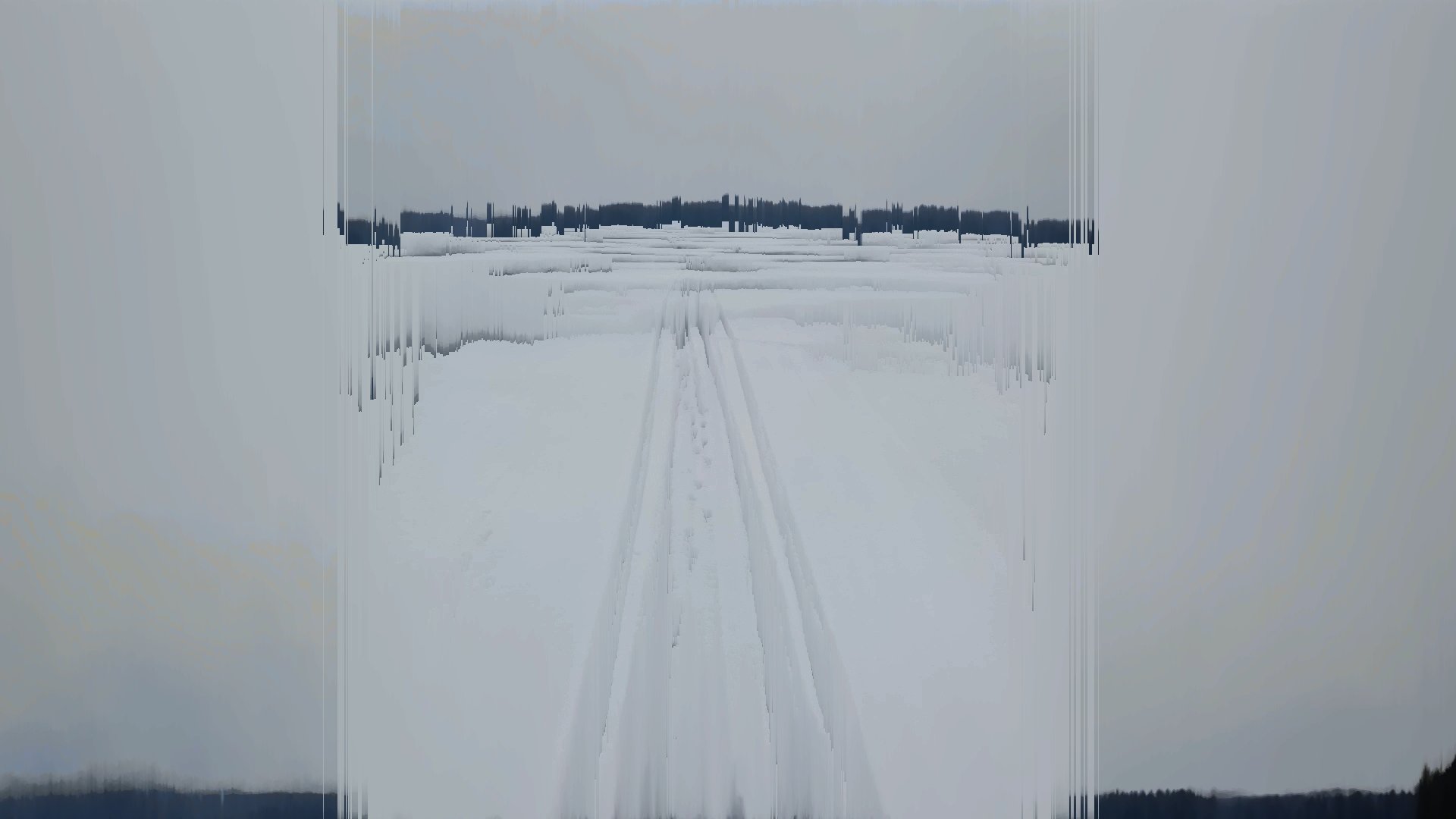
Przepływ (Flow, 2020)
Po pęknięciu języka pojawia się ruch. Przepływ jest pracą o żałobie rozumianej jako proces, który posiada własną trajektorię. Film ma wyraźny początek i koniec — rozpoczyna się obrazem czarnego oceanu, a kończy wejściem w ciemną, kosmiczną przestrzeń, przypominającą pochłaniającą pustkę. Pomiędzy tymi punktami rozciąga się podróż, którą traktuję jako wewnętrzne przejście, a nie narrację fabularną. Obraz prowadzi widza przez kolejne stany doświadczenia, przywołując wrażenie dryfowania i przemieszczania się przez nieznane, niemal kosmiczne pejzaże. Jest to podróż pozbawiona orientacji i celu w tradycyjnym sensie — nie zmierza ku rozwiązaniu ani ukojenia, lecz ku zanurzeniu się w niepewności i utracie punktów odniesienia. Sens nie zostaje tu odzyskany ani wyjaśniony; zostaje przeżyty. Przepływ powstał z potrzeby nadania formy doświadczeniu, które wymyka się językowi. Żałoba nie jest tu opowiadana ani definiowana, lecz przechodzona — jako proces stopniowego oddalania się od świata znanych znaczeń. Ruch obrazu, zmieniająca się skala i rytm zastępują słowa, prowadząc widza w stronę doświadczenia granicznego. W mojej praktyce praca ta rozwija etap zapoczątkowany w Stanach Pustych, przesuwając uwagę z pustki po załamaniu narracji w stronę ruchu i przejścia. Polityczne napięcie, obecne wcześniej jako ciężar i brak języka, zostaje tu przetworzone w czas, przestrzeń i energię. Przepływ nie proponuje przezwyciężenia negatywnej wibracji świata — pozwala przez nią przejść.
Film może być prezentowany jako wideo jednokanałowe lub jako część instalacji, w której czas i ciemność stają się kluczowymi elementami doświadczenia.
After the fracture of language, movement emerges. Flow is a work about mourning understood as a process with its own trajectory. The film has a clear beginning and end — it opens with the image of a black ocean and concludes with an entry into a dark, cosmic space resembling an all-consuming void. Between these points unfolds a journey that I approach as an inner passage rather than a narrative in the conventional sense. The image guides the viewer through successive states of experience, evoking a sense of drifting and movement through unfamiliar, almost cosmic landscapes. This journey is deprived of orientation and destination in the traditional sense — it does not aim toward resolution or consolation, but toward immersion in uncertainty and the loss of reference points. Meaning is neither recovered nor explained; it is lived. Flow emerged from the need to give form to an experience that escapes language. Mourning is not narrated or defined, but traversed — as a process of gradual distancing from the world of familiar meanings. The movement of the image, shifting scale, and rhythm replace words, leading the viewer toward a threshold experience. Within my practice, this work develops the stage initiated in Empty States, shifting attention from the void that follows narrative collapse toward movement and passage. Political tension, previously present as weight and linguistic absence, is here transformed into time, space, and energy. Flow does not propose overcoming the negative vibration of the world — it allows one to pass through it.
The film can be presented as a single-channel video or as part of an installation in which time and darkness become key elements of the experience.
