II — DECYZJA O ODEJŚCIU - The Decision to Leave

They Have Went to Sea (2022) - Poszli w morze
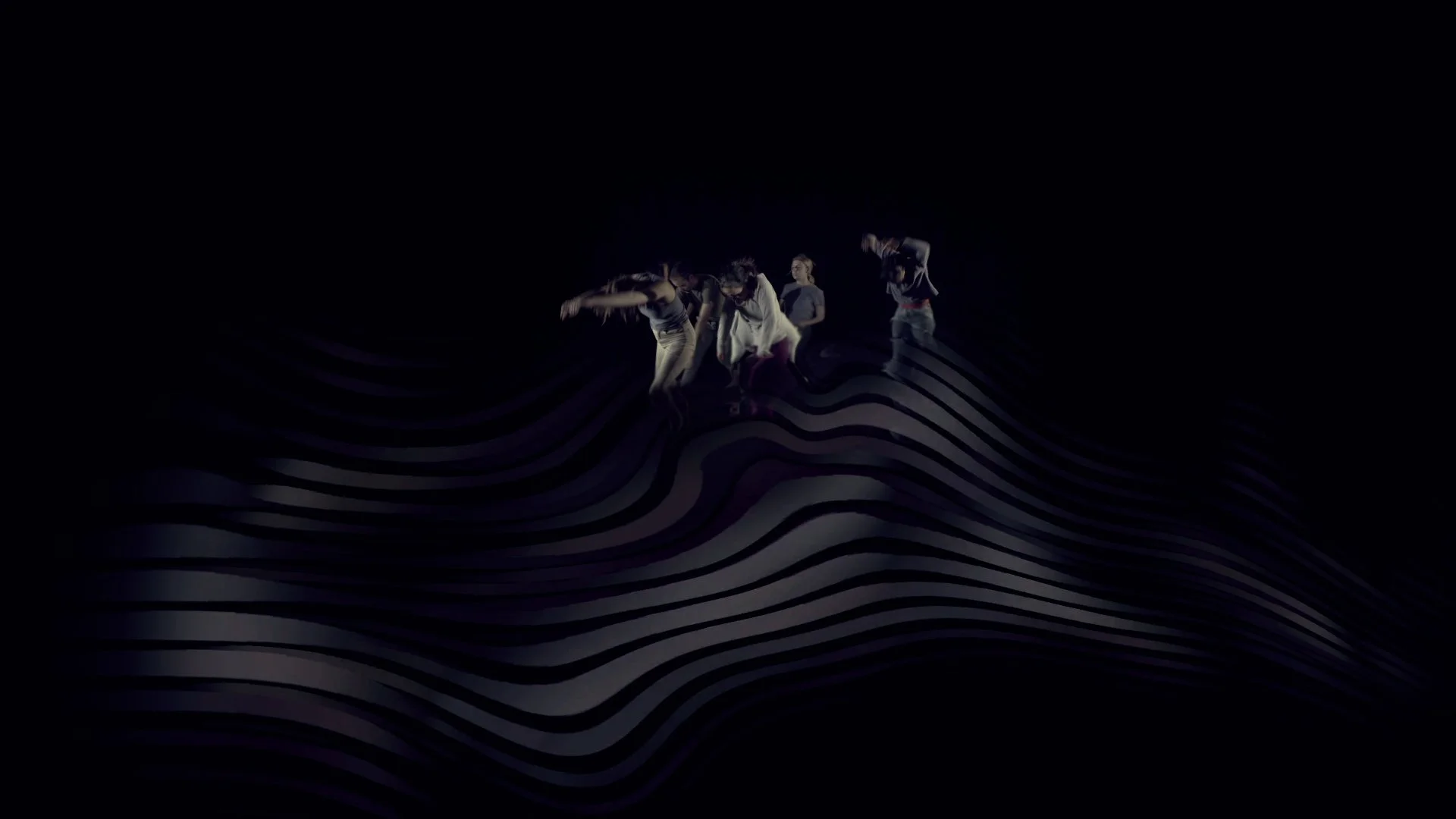
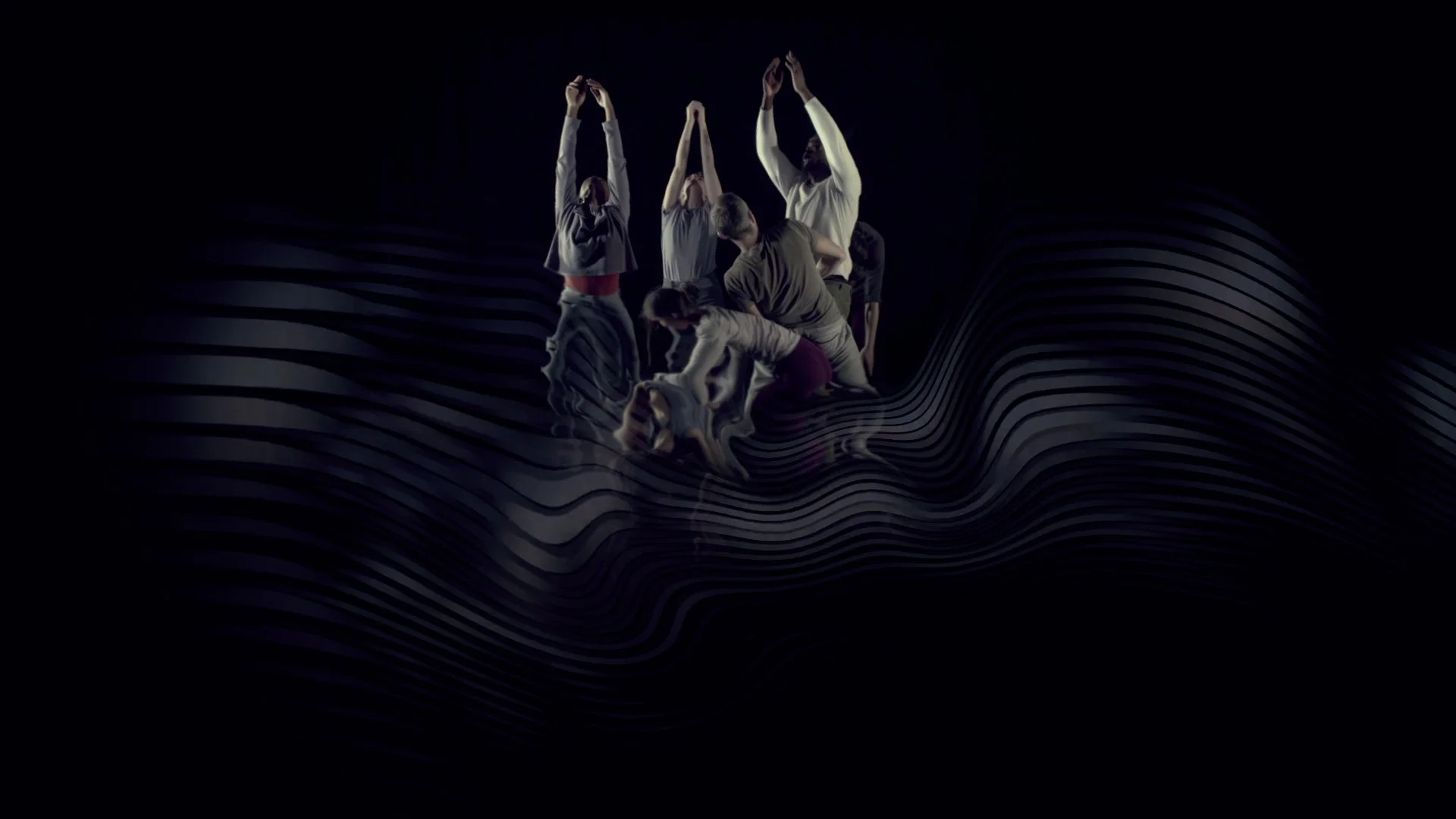
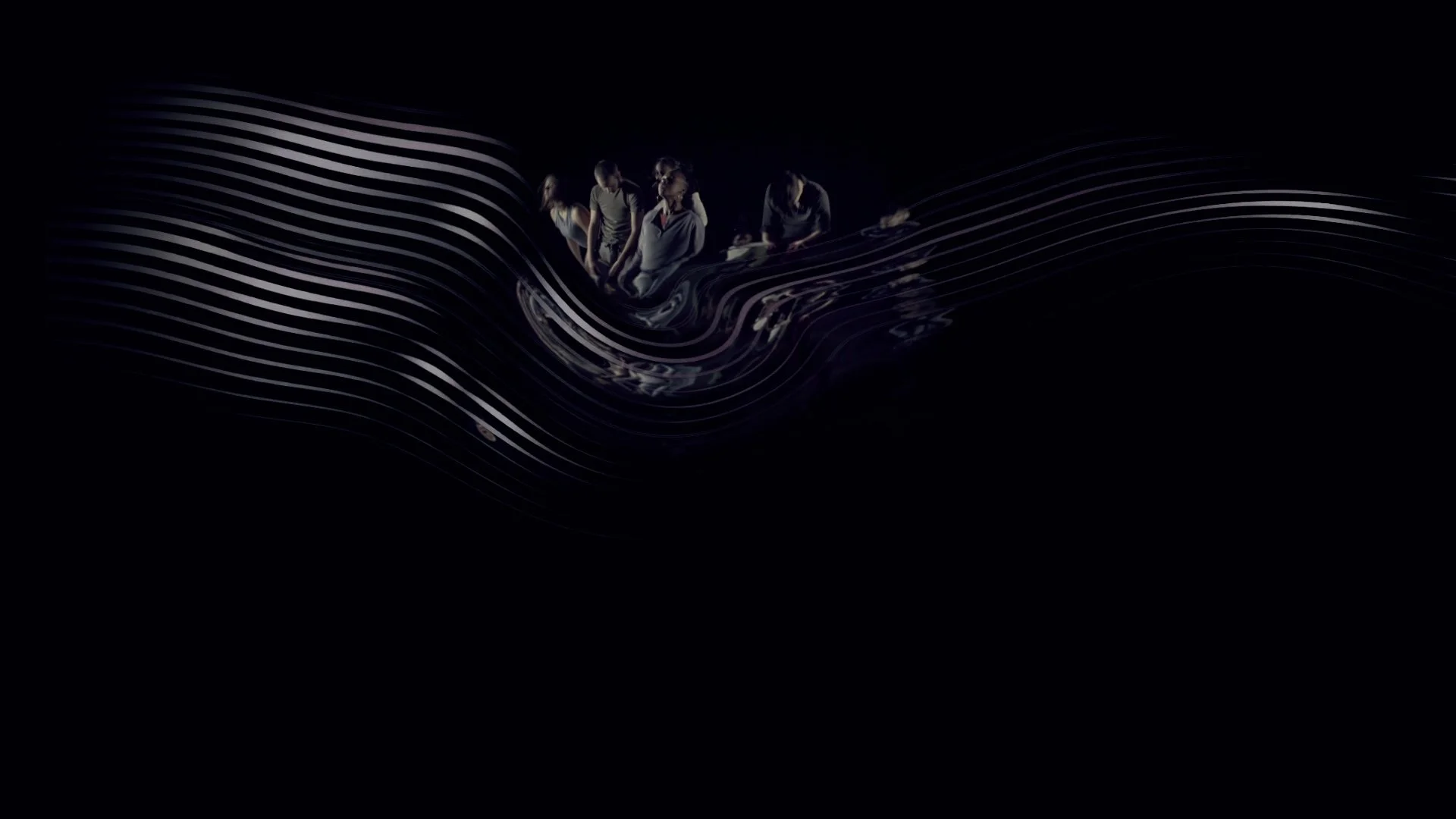
W kolejnym etapie odmowa przekształca się w decyzję o odejściu — rozumianą jako akt emigracji, zarówno dosłownej, jak i symbolicznej. They Have Went to Sea nie opowiada o podróży, lecz o stanie tuż przed nią: momencie psychologicznym, w którym opuszczenie miejsca zaczyna jawić się jako jedyna możliwa reakcja na narastające napięcia polityczne i społeczne. Obraz morza budowany jest z rytmicznych, graficznych linii generowanych przez ruch ciał. Gesty tancerzy, przetworzone algorytmicznie, tworzą niestabilną, falującą strukturę, która stopniowo pochłania swoje własne źródło. W ten sposób postacie nie tylko wchodzą w morze — współtworzą przestrzeń, w której następuje zanurzenie i znikanie. Ten zabieg przesuwa znaczenie pracy w stronę odpowiedzialności. Emigracja nie zostaje tu pokazana jako reakcja na zewnętrzny żywioł, lecz jako proces, w którym jednostki — poprzez własny ruch i decyzje — uczestniczą w wytwarzaniu warunków odejścia. Symboliczne morze staje się metaforą systemu nacisków, który jest jednocześnie doświadczany i generowany. Polityka funkcjonuje w tej pracy jako pole sił wpływające na zachowania ciał i dynamikę wyborów. They Have Went to Sea krytycznie bada emigrację jako konsekwencję długotrwałego napięcia — gest, który nie przynosi prostego rozwiązania, lecz prowadzi do stanu zawieszenia i nieodwracalności. Praca zatrzymuje się w momencie granicznym — tuż przed przekroczeniem, bez obietnicy nowego początku. To etap, w którym poszukiwanie miejsca w świecie zaczyna oznaczać jego opuszczenie, przy jednoczesnej świadomości, że konsekwencje tej decyzji nie są wyłącznie narzucone z zewnątrz, lecz wynikają również z naszych własnych działań.
In the next stage, refusal transforms into a decision to leave — understood as an act of emigration, both literal and symbolic. They Have Went to Sea does not narrate a journey, but focuses on the moment just before it: a psychological state in which leaving begins to appear as the only possible response to mounting political and social tensions. The image of the sea is constructed from rhythmic, graphic lines generated by bodily movement. The gestures of dancers, processed algorithmically, form an unstable, undulating structure that gradually absorbs its own source. In this way, the figures do not simply enter the sea — they co-create the very space in which immersion and disappearance occur. This strategy shifts the work toward a question of responsibility. Emigration is not presented as a reaction to an external force, but as a process in which individuals, through their own movement and decisions, participate in producing the conditions of departure. The symbolic sea becomes a metaphor for a system of pressures that is both experienced and generated. Politics functions here as a field of forces shaping bodily behavior and the dynamics of choice. They Have Went to Sea critically examines emigration as a consequence of prolonged tension — a gesture that offers no simple resolution, but leads instead to a state of suspension and irreversibility. The work remains in a threshold moment, just before crossing, without the promise of a new beginning. At this stage, the search for one’s place in the world begins to mean leaving it — with the awareness that the consequences of this decision are not imposed solely from the outside, but also arise from our own actions.
